Floral Plant Vector Art: A Flexible Design Resource
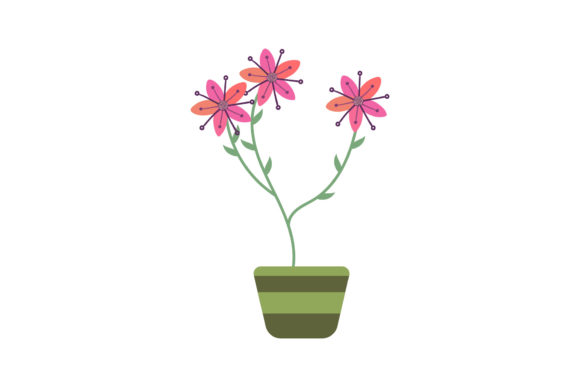
Floral plant vector art design is a specific type of digital artwork created using paths and mathematical points rather than individual pixels. Think of it as a scalable blueprint for a beautiful botanical illustration. When you purchase or download a floral plant vector art design, you are acquiring a versatile file that can be enlarged, shrunk, and manipulated without any loss of quality or detail. This makes it fundamentally different from a standard photograph or a basic JPG image.
Why Vector Art is a Practical Choice for Creators
The primary purpose of a floral plant vector art design is to provide a reusable, high-quality graphic asset. Its core characteristics are scalability and editability. You can change colors, separate elements, or adjust shapes with relative ease in compatible software. The value lies in its flexibility; one single design file can serve a multitude of projects, saving you time and ensuring visual consistency. Its appeal is both aesthetic—offering clean, often stylized depictions of nature—and functional, acting as a reliable tool in your creative toolkit.
Whether you’re a beginner exploring digital crafts or a professional streamlining a workflow, floral plant vector art solves common problems. It addresses the need for a ready-made, professional-looking graphic when you might not have the skills or time to draw one yourself. It supports goals like launching a small merchandise line, creating cohesive branding materials, or simply producing high-quality personal projects. If you’ve ever struggled with a blurry logo on a large poster or wanted to match a design across a t-shirt and a website banner, vector art is the solution.
Everyday Applications for Your Vector Design
The use cases for a single floral plant vector art design are surprisingly broad. Its application extends far beyond just digital screens.
For personal and lifestyle projects, you might use the transparent PNG to create custom stickers for your planner or laptop. The SVG file could be uploaded to a print-on-demand service to produce a unique tote bag. A blogger could use the JPG as a featured image for a post about gardening or wellness, while an educator might incorporate the art into a worksheet or presentation slide.
Commercial and Professional Contexts
In a business or entrepreneurial context, this design becomes a commercial asset. A small business owner could use the AI or EPS file with a professional printer to produce a line of branded apparel like shirts and clothes. The same design can be applied to posters for store decoration or promotional cards for a marketing campaign. Freelancers can leverage it to quickly offer client solutions for logo concepts or merchandise mock-ups. The key is that one purchase fuels multiple outputs, maximizing your investment.
Consider a hobbyist who runs a small online shop. They could use the floral plant vector art on stickers, then later, without needing new artwork, apply it to a series of canvas tote bags. The design remains sharp and identical across both products. This uniformity builds brand recognition and trust with customers.
Key Formats and What They Mean for You
When you acquire a floral plant vector art design, receiving it in multiple formats is crucial for its wide application. Each file type serves a distinct purpose.
- AI File: This is a native Adobe Illustrator file. It’s the most editable source, ideal for professionals who want to make complex alterations using that specific software.
- SVG File: Scalable Vector Graphic. This web-friendly format is perfect for use on websites, in design software like Canva, and with many cutting machines for physical products.
- Transparent PNG: This provides a ready-to-use image with no background, excellent for quick overlays on photos, digital documents, or mock-ups.
- JPG File: A standard, high-quality raster image useful for general sharing, presentations, or in contexts where vector editing isn’t required.
- EPS File: A legacy vector format that is widely compatible with many professional printing and design applications.
Note that the canvas size of 1920px by 1280px for each type offers a generous starting resolution. Even the JPG and PNG will be large enough for many print and digital uses right away, while the vector files (AI, SVG, EPS) can be scaled to virtually any size needed.
Important Considerations Before You Begin
While floral plant vector art design is incredibly user-friendly, a few practical observations can help you use it effectively. First, assess your own software access and skills. To fully edit the vector paths, you’ll need a program like Adobe Illustrator, Affinity Designer, or Inkscape (which is free). If you primarily use basic tools, the SVG, PNG, and JPG will be your go-to formats.
Second, consider the licensing terms of the design. Most purchased vector art comes with a commercial license, allowing you to sell products featuring it, but it’s always wise to confirm. Some licenses may have restrictions.
Finally, think about color customization. A good floral plant vector design should allow for easy color changes if it’s provided in a vector format. This lets you adapt the art to match different product lines or seasonal campaigns—for example, shifting from bright summer greens to deep autumnal hues.
The journey from a digital file to a physical product is straightforward. Many online services allow you to upload an SVG or PNG directly to configure a shirt, poster, or sticker. For local printing, providing a print shop with the high-resolution EPS or PNG file will typically yield the best results.
Embracing Botanical Themes in Your Work
Floral and plant motifs carry a timeless appeal, connecting to themes of growth, nature, and beauty. This makes floral plant vector art design a resonant choice for projects targeting a wide audience. Whether applied to casual clothes for a subtle style statement or to professional posters for a wellness brand, the design communicates a positive, organic feeling.
By starting with a versatile, multi-format vector art resource, you empower yourself to explore countless creative and commercial avenues without the hurdle of creating the foundational artwork yourself. It’s a step that lets you focus on application, marketing, and storytelling, while the design provides the consistent, scalable visual core.