The Creative Potential of Floral Doodle Illustrations Wildflowers
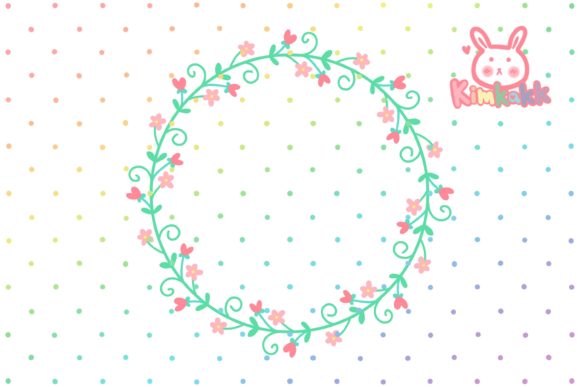
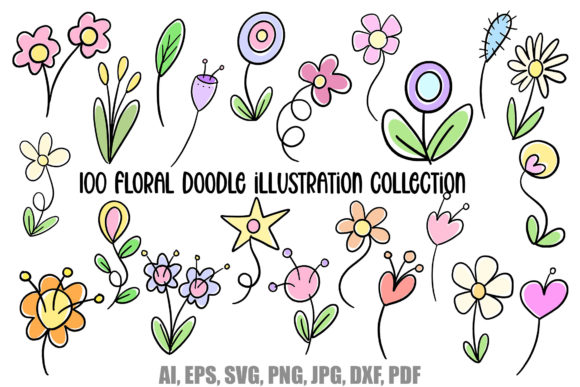
In the realms of digital design, marketing, and creative content creation, the availability of high-quality, versatile assets is a foundational element of workflow efficiency. A resource like the Floral Doodle Illustrations Wildflowers collection represents more than just a bundle of pretty images; it is a comprehensive toolkit designed for integration into a wide array of professional and personal projects. This massive collection of 160 flower and leaf doodle designs, including 100 colored designs, provides a practical solution for creators who need consistent, scalable, and adaptable visual elements without starting from a blank canvas every time.
Strategic Integration into Creative Workflows
For professionals, entrepreneurs, and hobbyists, the initial phase of any project involves asset gathering and preparation. The Floral Doodle Illustrations Wildflowers pack excels in this preparatory stage. Before diving into the core design work, a creator can audit this collection, selecting motifs that align with the project's tone—whether whimsical, elegant, or rustic. Having 100 EPS, 100 AI, and 100 SVG files means the designs are immediately ready for manipulation in vector-based software like Adobe Illustrator or Affinity Designer, allowing for custom color changes, composition alterations, and seamless scaling. This pre-project organization of assets prevents mid-workflow bottlenecks.
Consider a small business owner developing a spring marketing campaign. Instead of commissioning custom illustrations or spending hours searching disparate stock sites, they can open the provided PDF catalog or browse the high-resolution PNGs. By identifying a subset of wildflower doodles that match their brand colors, they can efficiently populate social media templates, email headers, and website banners. The workflow becomes a process of strategic selection and application, not creation from scratch, freeing up time for copywriting and audience targeting.
Multi-Format Utility for Cross-Platform Execution
The true practical power of this collection lies in its multi-format offering. Each design is provided as a JPG, PNG, SVG, AI, PDF, and DXF file. This directly addresses compatibility concerns that often disrupt a seamless process. A digital marketer might use the transparent-background PNGs directly in a Canva presentation for a client pitch. An educator or blogger could import the SVG files into their preferred publishing software or website builder to ensure crisp rendering at any size. Meanwhile, a crafter or product designer utilizing a CNC machine or vinyl cutter can leverage the DXF files for precise physical fabrication.
This interoperability allows the asset to move fluidly between different stages and platforms within a single project. For instance, a freelance graphic designer might begin by using the AI files in Illustrator to construct a complex logo motif. Once finalized, they could export derivatives, but the original project file already contains the editable vector art. Later, when the client needs web assets, the designer can provide the same motif as an SVG for the developer. The consistency across deliverables is maintained effortlessly because the core asset is consistent and master-file quality.
Practical Implementation Tips for Everyday Use
To integrate such a collection smoothly, a degree of digital asset management is helpful. Upon acquisition, a practical first step is not to use the files immediately, but to organize them. Create a folder system on your cloud storage or local drive that mirrors the formats—one folder for EPS/AI editable vectors, another for ready-to-use PNGs/JPGs. Many users find it efficient to also skim through the JPG catalog to create a personal "favorites" list or mood board, noting file names of designs that resonate with their common project types. This upfront organization saves significant time during the pressured execution phase of future tasks.
Another key observation is regarding quality control and scalability. The files are provided at 8000px x 8000px resolution. This means they are suitable not only for web use but also for large-format printing without loss of detail. When planning a project like crafting wedding invitations or designing a booth banner, you can proceed knowing the asset won't become a limiting factor. This pre-vetted quality removes a common uncertainty from the planning process.
Enabling Consistency Across Projects and Teams
For teams, marketers, and publishers working on serialized content—like a blog series, a line of products, or a seasonal campaign—maintaining visual consistency is crucial for brand recognition. The Floral Doodle Illustrations Wildflowers collection acts as a unified visual library. By drawing from the same set of 160 doodles across multiple outputs, a team ensures a cohesive look. The workflow involves designating a subset of the pack as the "approved" palette for a particular campaign or brand line, then distributing the relevant files to all team members. The availability of common formats ensures that whether the social media manager uses PNGs or the lead designer uses AI files, the underlying artwork is identical.
This approach also aids in long-term use. As new projects arise, the existing library is already familiar and vetted. A creator might use a certain daisy doodle for a client's website in Q1, and then recall that same file for the client's holiday card redesign in Q4, building a visual history that the client appreciates. The collection becomes a living part of the creator's digital toolkit, evolving with their work over months or years.
From Asset to Finished Outcome: Workflow Examples
Let's trace a concrete workflow for a content creator, a blogger focusing on gardening. Their process might start with an article outline. During the writing phase, they know they will need visuals. Instead of interrupting writing to search for assets, they have already curated a folder of relevant PNG doodles from the wildflowers collection. Once the draft is complete, they drop in illustrations beside relevant sections, using the transparent PNGs to overlay on photo backgrounds. The article is formatted, published, and accompanying visuals are also used for the promotional social post—using the same doodle cropped or recolored slightly for platform-specific dimensions. The entire visual component of the task is handled with a single, reliable resource.
For an entrepreneur selling handmade goods, the workflow interacts with physical production. They might use the vector files to design a new set of heat-transfer designs for t-shirts. After finalizing the design in AI, they send the DXF or SVG to their cutting machine software. The resulting physical product is directly born from the digital asset. Later, for the online store listing, they use the JPG renders of the same designs for product photos. The asset facilitates both the manufacturing and the marketing steps in their business process.
Letting Imagination Flow Within a Structured Framework
The invitation to "let your imagination flow" is grounded in the practical reality of having a robust starting point. Creativity in professional and hobbyist contexts often flourishes not from total freedom, but from working within a fruitful constraint. Having 160 coordinated designs provides a rich but manageable playground. A user can experiment with combining different leaf and flower doodles from the pack in a single composition, using the layered AI files, without worrying about stylistic mismatch. This encourages iterative creativity—a process of trial, adjustment, and refinement that leads to unique outcomes while still anchored in professionally drawn artwork.
Ultimately, integrating the Floral Doodle Illustrations Wildflowers collection into your routine is about investing in a foundational asset that serves multiple future processes. It reduces the friction of asset sourcing, ensures technical compatibility across tools, and supports consistent brand or project aesthetics. By treating it as a core component of your digital toolkit—to be organized, curated, and accessed as projects demand—you streamline the logistical aspects of creation, freeing more energy for the imaginative and strategic work that defines your output.