The Echinacea SVG Floral Graphic: A Detailed Evaluation for Design Projects
When sourcing botanical elements for creative work, the format, quality, and style of the graphic asset are as crucial as the subject itself. An Echinacea SVG Floral Graphic and PNG bundle offers a specific set of characteristics that can significantly influence a project's outcome. Understanding what this resource entails, how it compares to other available options, and where its strengths and limitations lie is essential for making an informed selection. This evaluation focuses on the practical considerations surrounding such a digital asset, aiming to clarify its distinct value and appropriate applications.
What Makes This Echinacea Graphic Distinct
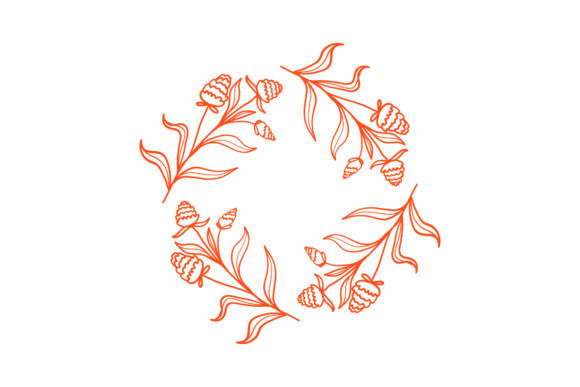
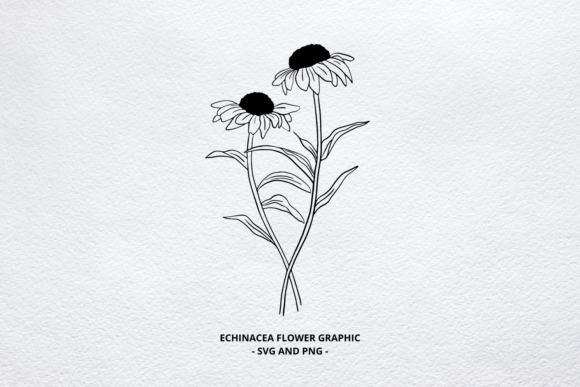
At its core, the described resource is a hand-drawn illustration of an echinacea, or coneflower, delivered in two primary digital file formats: SVG and PNG. The hand-drawn aspect is a key differentiator. Unlike a vector graphic automatically traced from a photograph or a highly geometric digital illustration, a hand-drawn style typically carries an organic, slightly imperfect line quality that conveys warmth and authenticity. This can be particularly desirable for projects aiming for a natural, craft-oriented, or botanical aesthetic that feels less sterile than perfectly symmetrical digital art.
The inclusion of both SVG and PNG formats in a single download addresses different technical needs. The SVG file is a scalable vector graphic. This means it is composed of mathematical paths rather than pixels, allowing it to be resized to any dimension without any loss of clarity or sharpness. This is indispensable for applications where the graphic needs to be printed at various sizes, used on responsive websites that scale across devices, or incorporated into logo designs that require infinite scalability. The accompanying PNG file, set at 300 DPI, is a high-resolution raster image. While it does not scale infinitely like an SVG, a 300 DPI PNG is optimized for print-ready projects at a fixed size and offers reliable, straightforward compatibility with virtually all software, from basic word processors to complex design suites.
Comparing Formats and Styles: Vector SVG vs. Raster PNG
A fundamental comparison exists not just between this specific graphic and others, but between the two formats it provides. Evaluating the Echinacea SVG Floral Graphic necessitates understanding the tradeoffs between SVG and PNG more broadly.
Vector graphics, like the SVG in this bundle, are fundamentally flexible. They allow for easy color changes within design software, as the fills and strokes are typically editable paths. This makes an SVG echinacea ideal if you plan to integrate the flower into a brand palette, needing to match specific colors across marketing materials. Furthermore, because vectors are path-based, they often have smaller file sizes for complex illustrations compared to high-resolution raster files, which can benefit web performance. However, the utility of an SVG depends heavily on the user's software proficiency. While modern web browsers and professional design tools like Adobe Illustrator or Inkscape handle SVGs flawlessly, some common desktop publishing or presentation software might have limited support for editing or importing them effectively.
The PNG format, conversely, is the universal workhorse. The 300 DPI specification ensures it has sufficient pixel density for professional printing on items like stationery, posters, or packaging, provided you use it at or near its original dimensions. Its strength is in simplicity and guaranteed compatibility. You can place it into a Microsoft Word document, a Canva template, or a Photoshop file with immediate visual results. The tradeoff is a loss of scalability. Enlarging a PNG beyond its native resolution will result in a blurred, pixelated image. Similarly, changing the color of a black PNG echinacea is not a simple one-click operation; it requires more advanced raster image editing techniques, such as selection and hue adjustment, which can be time-consuming and may not yield perfectly clean results.
Evaluating Hand-Drawn Quality Against Other Botanical Graphics
Beyond format, the artistic style is a major decision factor. A hand-drawn Echinacea SVG Floral Graphic occupies a specific niche within the vast market of botanical illustrations.
Compared to hyper-realistic photographic PNGs of echinacea, the hand-drawn vector version offers abstraction and stylistic clarity. A photograph might include complex shadows, subtle color gradients, and distracting background elements. For a design needing a clean, focused symbol—perhaps for an app icon, a website banner, or a logo mark—the simplified, outlined hand-drawn graphic can integrate more cleanly. It avoids the visual noise of a photo and communicates the plant's essence directly.
When compared to other vector echinacea graphics that are digitally created with perfect geometric shapes and uniform line weights, this hand-drawn alternative provides character. The variation in line thickness and the natural flow of the drawing can make a design feel more approachable and less corporate. This style might be a better fit for a wellness brand, an independent café's branding, or a personal blog focused on gardening, where a connection to nature and human touch is paramount. Conversely, if your project demands extreme precision, clinical cleanliness, or needs to pair seamlessly with other minimalist, geometric design elements, a more digitally-perfect vector alternative might create a more cohesive visual system.
Practical Applications and Best-Fit Situations
Identifying when this particular graphic bundle is the right choice involves matching its attributes to project requirements.
The combination of SVG and PNG makes it a versatile resource for designers who operate across multiple mediums. For instance, a designer creating branding for a herbal tea company might use the scalable SVG for the primary logo that appears on the website header and large-scale product packaging. They could then use the high-resolution PNG for fixed-size applications like social media posts, printable flyers, and labels on smaller jars. Having both formats from one source ensures visual consistency, as the artwork is identical, just delivered in different technical wrappers.
The hand-drawn style is particularly advantageous for projects targeting a specific aesthetic. Consider a wedding invitation suite with a botanical theme. The organic lines of a hand-drawn echinacea would complement other natural textures like linen paper and handwritten script far better than a rigid digital illustration. Similarly, for a craft business selling handmade ceramics, using this graphic on their website and tags reinforces the handmade ethos of their physical products.
However, there are situations where this bundle might not be the optimal resource. If your project requires a full-color, photorealistic depiction of an echinacea with dew on its petals for a high-end gardening catalog, then a stock photograph or a meticulously painted digital illustration would be more appropriate. Likewise, if you need an echinacea graphic not just in black, but in multiple pre-colored versions or with complex layered transparency for immediate use without any editing, a bundle offering those specific variants might save you time, despite the hand-drawn SVG's inherent editability.
Key Decision Factors for Your Creative Project
To determine if this Echinacea SVG Floral Graphic and PNG download aligns with your needs, weigh the following practical factors.
First, assess your technical workflow and final outputs. Do you need to resize the graphic frequently for different applications? If yes, the SVG's scalability is a critical advantage. Are you primarily working in software that has poor vector support, or are your outputs exclusively fixed-size print materials? Then, the 300 DPI PNG might suffice on its own, though having the SVG as a future-proof asset is still beneficial.
Second, consider stylistic cohesion. Review the other visual elements in your project. Does the hand-drawn, black-line style of this echinacea harmonize with your existing fonts, color scheme, and other imagery? If your design system is built around bold, flat colors and sharp corners, this organic graphic might introduce a stylistic conflict that requires additional design work to reconcile.
Third, factor in your own skill level and time. The SVG format offers great editability, but that editability requires a user to know how to manipulate vector paths. If you are comfortable with vector software, you can easily adjust the graphic. If you are not, you might be reliant on the PNG for most uses, losing the benefits of scalability and easy color modification. In that case, a pre-colored raster graphic in your desired hue might be a more straightforward, though less flexible, alternative.
Making an Informed Choice for Your Design Resources
Ultimately, the value of a digital asset like this Echinacea SVG Floral Graphic lies in its alignment with specific project parameters. It provides a balanced solution for those who need both scalable versatility for digital applications and high-resolution reliability for print, all within a hand-drawn aesthetic that avoids the coldness of purely digital illustration.
By comparing its dual-format delivery to single-format alternatives, its organic style to both photographic and geometric alternatives, and weighing the tradeoffs between vector flexibility and raster simplicity, you can better situate this resource within your available options. For multi-medium projects, branding seeking a natural feel, or designers who value the ability to customize color and scale, this bundle presents a compelling and practical choice. For projects demanding photorealism, extreme geometric precision, or for users who require immediate use without any software editing, exploring other categories of botanical graphics may lead to a more efficient fit. The informed decision rests on a clear understanding of your output requirements, design ecosystem, and technical capabilities.